


 Skip to content
December 9, 2025 by Shoaib Ijaz
Punjab is experiencing one of the greatest transformations of transport in its history. The province under the leadership of Chief Minister Maryam Nawaz Sharif has initiated a wave of mega-projects that not only modernize moving around, but also transform urban living, enhance tourism, better air quality, and enhance connectivity within the region.
The reforms announced on World Sustainable Transport Day include the opening up of the first tram train service in Lahore, Pakistan and the rapid advance of the Lahore -Islamabad bullet train project, the expansion of electric buses, the building of 20,000+km of roads and even a proposed glass train in Rawalpindi to Murree. These projects represent a radical change in sustainable and inclusive mobility, that will provide citizens with safe, modern and ecological transport.
| Project | Overview | Benefit |
| Bullet Train (LHR–ISB) | High-speed rail project progressing quickly. | Faster travel, reduced congestion. |
| Lahore Tram | Pakistan’s first electric tram system. | Cleaner, efficient urban transport. |
| Glass Train (RWP–Murree) | Scenic tourist-friendly glass train plan. | Boosts tourism, safer hill travel. |
| Electric Buses (Rs20 Fare) | Low-cost buses in multiple cities; free for women, seniors, disabled. | Affordable, inclusive mobility. |
| 20,000+ km Road Upgrades | Province-wide road construction and repairs. | Stronger connectivity, better trade routes. |
| Flood Area Restoration | Rebuilding transport links in flood-hit zones. | Community recovery and access. |
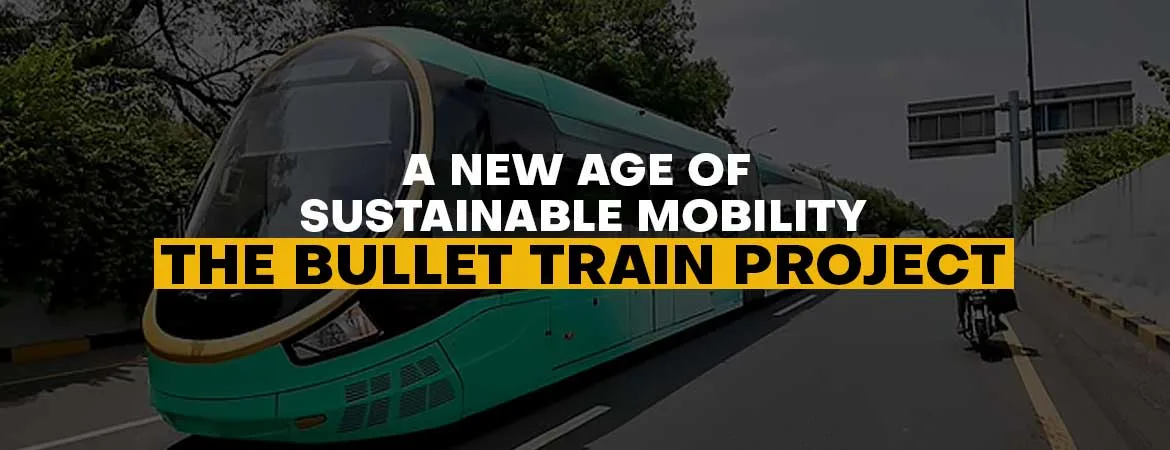
Lahore is about to receive an electric tram system which will be the first in Pakistan to enter the country, and a transport mode that is internationally known as a clean, efficient and eco-friendly mode of transportation.
The Tram, which has been imported to China, is already under assembly and testing in Lahore. The three interconnected coach design and a smooth and modern design will allow each unit to accommodate more than 200 passengers simultaneously. What is even more impressive is its high-tech it is considered that the tram can carry 27 kilometers with only a 10-minute charge.
First of all, the tram can move on Canal Road, a busy and overpopulated urban path. Then it will run between Thokar Niaz Baig and Harbanspura and will provide thousands of everyday commuters with traffic free option.
Lahore is the victim of chronic congestion, the increasing fuel prices, and unhealthy pollution rates. A clean, electric tram can:
The tram pilot service will commence with a demonstration phase which may provide a free ride to the community to test the response of the people and gather information. In the event of success, the government will embark on a broad network of trams within the city.
The Lahore-Islamabad bullet train is one of the most radical projects under construction and the high-speed rail project is likely to reduce the travel time between the two largest cities of Punjab by a wide margin. It will take roughly two and a half hours to travel the Lahore-Rawalpindi/Islamabad route. It is one of the quickest and most productive methods to travel in the history of Pakistan.
The Punjab government has:
Although the project is still in the feasibility phase, the pace and gravity at which the government is proceeding indicate high involvement in ensuring the realization of the bullet train.
A high-speed rail system can revolutionize the connectivity of the region in that it can:
When done well, this project will be a historic breakthrough for the transport sector of Pakistan.
Punjab is also making investments in mobility dedicated to tourism besides functional transport. A planned glass train between Rawalpindi and Murree, a mountain resort with a scenic view is also one of the most exciting projects. Here the things that make it unique?
This project is expected to:
In a destination such as Murree, which might be filled and congested during high seasons, a modern scenic train might be a game changer.
Although the heading projects capture attention, Maryam Nawaz has equally emphasized on daily movements of ordinary citizens. The Punjab government has introduced electric bus services in a few big cities and districts and these include:
It is one of the cheapest forms of transport in Pakistan because the commuter can get to his or her destination at a cost of only Rs 20. But still more liberal is the policy that:
This model is inclusive so that the marginalized groups are not excluded in the mobility revolution.
The construction and reformation of the road is important because these roads are used for:
Improved roads lead to improved economic activity and a better life in both the urban and rural environments of Punjab.
Chief Minister Maryam Nawaz pointed out that the transport reforms of Punjab have a strong connection with the large scale environmental and developmental objectives. As the climate risks increase and extreme weather patterns are on the rise, there is a desperate need by Pakistan to have green, sustainable, and efficient mobility systems.
These projects taken together are the illustrations of a transport policy that is not only modern but also environmentally conscious.
The reconstruction of transport infrastructure in the flood-affected areas is among the most significant, yet less apparent things in the plan. It includes:
This is a fast reconstruction process which is necessary in order to have the economy recover particularly in the areas in the south of Punjab which have been the most affected by climate disasters.
Any of these initiatives is impressive, but it will require long-term success that depends on various factors:
Mega-projects such as bullet trains need billions of funds, global experience and commitment.
To make trams and electric buses successful, individuals should be ready to replace personal vehicles and rickshaws.
Trackless trams, high-speed rail, and electric fleets require frequent repairs and qualified drivers.
The completion of large infrastructure projects needs stability across administrations.
With a significant transport and infrastructural revolution occurring in Punjab, residential neighborhoods such as Eastern Housing Lahore are becoming the perfect choice when it comes to modern and sustainable living. Eastern Housing Lahore is conveniently situated along major city paths and major educational facilities, providing the residents with a highly structured, secure and community-oriented setting.
The Eastern City Walk also creates an inspiring urban ambiance which is inspired by the global friendly-to-pedestrians boulevards. City Walk was an upscale commercial and entertainment-based strip designed to be vibrant and appealing to the locals and visitors who enjoy a stylish mix of cafes, shops, open outdoor seating, and landscapes in an area that is best suited to families, students, and young professionals. Eastern Housing Lahore is establishing a new trend in community living in the city that has its combination of modern architecture, convenient facilities, and a walkable lifestyle.
The transport redesign in Punjab is a turning point in the Pakistani process towards sustainable development and modern urban living. The province is creating the future of a greener, smarter, and more connected world with electric trams, bullet trains, scenic glass trains, a fleet of affordable electric buses, and tens of thousands of kilometres of upgraded roads.
The vision of the Chief Minister Maryam Nawaz Sharif is one of the movement away to the old systems that were polluting into a new mobility culture where inclusivity, safety, innovation and environmental sustainability are highly regarded. In the event that such projects are sustained in their ongoing way, Punjab may soon become a local model of how contemporary transport may be able to remodel economies, cities and lives.
© All Rights Reserved | A Project of MAS Group