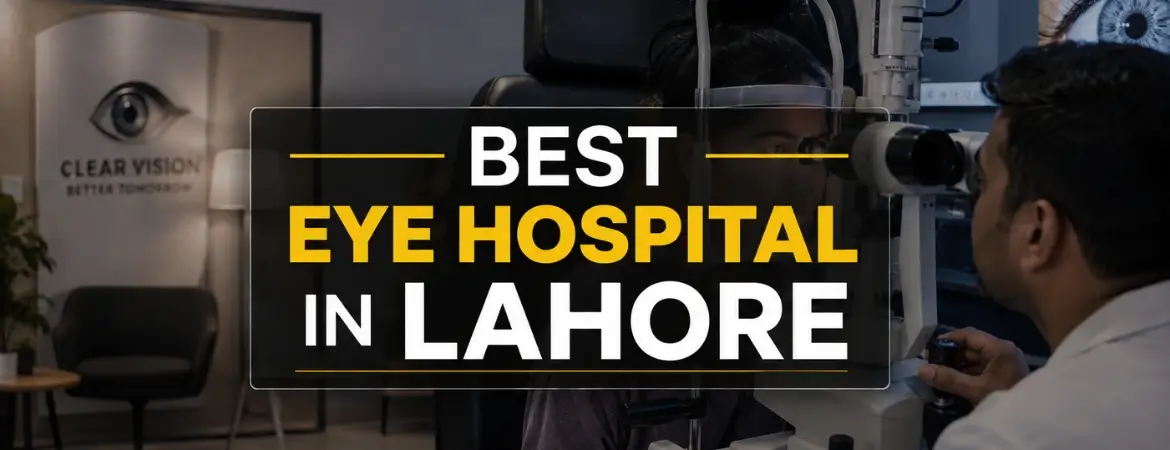
Finding the best eye hospital in Lahore is an important step toward protecting your vision and maintaining long-term eye health. Whether you need a routine eye examination, treatment for an eye infection, cataract surgery, LASIK vision correction, or specialized retinal care, choosing the right healthcare facility can make a significant difference in diagnosis, treatment outcomes, and overall patient experience.
Lahore has established itself as one of Pakistan’s leading healthcare destinations, offering a wide range of public and private medical facilities equipped with modern ophthalmology departments. Patients now have access to experienced ophthalmologists, advanced diagnostic technology, and specialized treatments that were once available only in a few major institutions. As awareness about preventive eye care continues to grow, more people are seeking regular eye examinations to detect conditions such as glaucoma, diabetic retinopathy, and age-related vision problems before they become severe.
This guide explains what makes an eye hospital stand out, the services offered by leading eye care centers, and the factors to consider before choosing an ophthalmology facility. It also explores how Lahore’s growing healthcare sector is creating opportunities for future medical investment, particularly in modern commercial developments such as Eastern Housing and Eastern City Walk.
Why Choosing the Right Eye Hospital Matters?
Good eyesight affects every aspect of daily life, from reading and driving to working and enjoying time with family. Because many eye conditions develop gradually and may not show noticeable symptoms during their early stages, selecting a trusted eye hospital is essential for early diagnosis and timely treatment. A hospital with qualified ophthalmologists and modern diagnostic equipment can identify potential problems before they lead to permanent vision loss.
The quality of an eye hospital also influences the success of medical and surgical treatments. Procedures such as cataract surgery, LASIK, retinal surgery, and corneal transplantation require experienced surgeons, advanced technology, and strict patient safety protocols. Hospitals that invest in high-quality equipment and continuously train their medical teams are better positioned to deliver accurate diagnoses and effective treatments.
Another important consideration is comprehensive patient care. The best eye hospitals provide support throughout the entire treatment journey, from the initial consultation and diagnostic testing to surgery, rehabilitation, and follow-up appointments. This integrated approach helps patients recover more comfortably while ensuring that any complications are identified and managed promptly.
Choosing a reputable eye hospital also provides peace of mind. Transparent communication, personalized treatment plans, and access to multiple eye care specialists allow patients to make informed healthcare decisions with confidence. Rather than focusing only on cost or location, it is important to evaluate the overall quality of care, medical expertise, and available technology when selecting an eye hospital in Lahore.
Services Offered by the Best Eye Hospitals in Lahore
Modern eye hospitals provide comprehensive ophthalmic services designed to diagnose, treat, and manage a wide variety of vision problems. From routine eye examinations to advanced microsurgical procedures, today’s ophthalmology centers combine specialist expertise with innovative medical technology to deliver high-quality patient care.
Cataract Surgery
Cataracts are one of the most common causes of vision impairment, particularly among older adults. This condition occurs when the eye’s natural lens becomes cloudy, causing blurred vision, glare sensitivity, and difficulty performing everyday activities. Modern eye hospitals perform cataract surgery using advanced phacoemulsification techniques, which involve removing the cloudy lens through a small incision and replacing it with an artificial intraocular lens. The procedure is minimally invasive, offers faster recovery, and delivers excellent visual outcomes for most patients.
LASIK and Laser Vision Correction
Many individuals who rely on glasses or contact lenses choose LASIK or other laser vision correction procedures to improve their eyesight. Before recommending surgery, ophthalmologists conduct detailed eye examinations to determine whether a patient is a suitable candidate. Advanced laser systems precisely reshape the cornea to correct refractive errors such as nearsightedness, farsightedness, and astigmatism, helping many patients achieve clearer vision with reduced dependence on corrective lenses.
Glaucoma Diagnosis and Treatment
Glaucoma is often referred to as the “silent thief of sight” because it can damage the optic nerve without causing noticeable symptoms during its early stages. Regular eye examinations are crucial for early detection, particularly for individuals over the age of 40 or those with a family history of glaucoma. Leading eye hospitals offer comprehensive glaucoma screening, medication management, laser therapy, and surgical procedures to help preserve vision and slow disease progression.
Retina and Vitreoretinal Care
The retina is responsible for converting light into signals that the brain interprets as vision. Conditions such as diabetic retinopathy, retinal detachment, macular degeneration, and retinal vein disorders require specialized diagnosis and treatment. Modern eye hospitals use technologies like Optical Coherence Tomography (OCT) and digital fundus photography to evaluate retinal health with exceptional accuracy. Retina specialists may recommend laser treatment, intravitreal injections, or microsurgery depending on the patient’s condition.
Cornea and External Eye Disease Treatment
The cornea plays a vital role in focusing light and protecting the eye. Eye hospitals diagnose and treat corneal infections, injuries, keratoconus, dry eye disease, and corneal ulcers using advanced diagnostic tools and medical therapies. For severe cases, corneal transplantation may be recommended to restore vision and improve quality of life.
Pediatric Eye Care and Emergency Services
Children require specialized eye care because their visual system continues to develop throughout childhood. Pediatric ophthalmologists diagnose conditions such as lazy eye (amblyopia), squint (strabismus), congenital cataracts, and childhood refractive errors. Early diagnosis and treatment can significantly improve long-term visual development.
In addition to scheduled consultations, many leading eye hospitals provide emergency ophthalmic services for sudden vision loss, eye injuries, chemical burns, infections, and foreign body removal. Prompt medical attention during these emergencies is often critical to preserving eyesight and preventing permanent complications.
10 Best Eye Hospitals in Lahore
Lahore is home to several reputable eye hospitals offering specialized ophthalmology services, including routine eye examinations, cataract surgery, LASIK, retina care, glaucoma treatment, pediatric ophthalmology, and emergency eye care. Rather than choosing a hospital based on popularity alone, patients should compare facilities based on specialist expertise, available technology, and the range of services offered.
| Eye Hospital | Type | Key Specialties |
|---|
| National Eye Center, Lahore | Private | Cataract Surgery, LASIK, Retina Care, Glaucoma Treatment |
| Amanat Eye Hospital | Private | Cataract Surgery, General Ophthalmology, Retina Services |
| Suhail’s Oculab | Private | Cataract Surgery, Cornea Care, Retina Treatment |
| Suhail’s Eye Hospital (SEHL) | Private | Comprehensive Eye Care, Eye Surgery, Vision Care |
| VisionX Laser and Eye Clinic | Private | LASIK, Laser Vision Correction, Refractive Surgery |
| Al Haramain Laser Eye Center | Private | LASIK Surgery, Vision Correction, Eye Diagnostics |
| Eye and Retina Hospital | Specialty | Retina Disorders, Vitreoretinal Surgery, Diabetic Eye Care |
| Al Ehsan Welfare Eye Hospital | Welfare | Cataract Surgery, General Eye Care, Community Eye Health |
| POB Eye Hospital | Charity | Cataract Surgery, Glaucoma Care, General Ophthalmology |
| Akram Eye Hospital | Private | Cataract Surgery, Cornea Care, Comprehensive Eye Treatment |
What Makes These Hospitals Stand Out?
These eye hospitals provide a variety of specialized services designed to diagnose, treat, and manage common as well as complex eye conditions. Many of them are equipped with advanced diagnostic technologies such as Optical Coherence Tomography (OCT), digital retinal imaging, visual field testing, and modern laser systems for accurate diagnosis and effective treatment.
Patients can generally expect services such as:
- Comprehensive eye examinations
- Cataract surgery
- LASIK and laser vision correction
- Glaucoma diagnosis and treatment
- Retina and vitreoretinal care
- Cornea treatment
- Pediatric ophthalmology
- Diabetic eye care
- Emergency eye services
- Post-operative vision care
How to Choose the Best Eye Hospital in Lahore?
Selecting the best eye hospital in Lahore involves more than comparing hospital names or treatment costs. Every patient has different eye care needs, and the right hospital should offer experienced ophthalmologists, modern medical technology, comprehensive patient care, and a strong reputation for clinical excellence. Taking the time to evaluate these factors can help you receive the most appropriate treatment while protecting your vision for years to come.
Choose Qualified and Experienced Ophthalmologists
One of the most important factors when selecting an eye hospital is the expertise of its medical team. Ophthalmology is a broad specialty, and many doctors focus on specific areas such as cataract surgery, retina disorders, glaucoma, corneal diseases, pediatric ophthalmology, or refractive surgery. A hospital with multiple specialists can provide more accurate diagnoses and personalized treatment plans for a wide range of eye conditions.
Experienced ophthalmologists also stay updated with the latest treatment techniques and surgical advancements. Their knowledge helps patients receive evidence-based care while minimizing the risk of complications during both routine and complex procedures.
Look for Advanced Eye Care Technology
Modern ophthalmology relies heavily on advanced diagnostic and surgical equipment. The best eye hospitals use technologies such as Optical Coherence Tomography (OCT), corneal topography, visual field analyzers, fundus photography, ultrasound imaging, and high-precision laser systems to diagnose eye diseases accurately.
These technologies enable doctors to detect conditions such as glaucoma, diabetic retinopathy, retinal tears, and macular degeneration at an early stage. Early diagnosis often leads to more effective treatment and better long-term visual outcomes, making technology an important consideration when choosing an eye hospital.
Evaluate Patient Safety and Quality of Care
A reputable eye hospital prioritizes patient safety at every stage of treatment. From maintaining sterile operating theatres to following international infection control protocols, hospitals with high-quality standards help reduce surgical risks and improve recovery times. Safe surgical environments are particularly important for procedures such as cataract surgery, LASIK, corneal transplantation, and retinal surgery.
Quality care also extends beyond the operation itself. Comprehensive pre-operative assessments, detailed patient education, and structured follow-up appointments allow doctors to monitor recovery and address any concerns promptly, ensuring a smoother treatment experience.
Consider Accessibility and Patient Experience
The overall patient experience is another important aspect of choosing the right hospital. Convenient appointment scheduling, professional staff, efficient emergency services, and transparent communication contribute to a positive healthcare journey. Reading verified patient reviews can provide valuable insight into waiting times, doctor-patient communication, and the quality of medical services offered.
If you’re also exploring other healthcare facilities for specialized medical treatment, our guide on Private Hospitals in Lahore provides additional information about leading private healthcare institutions in the city.
Eye Conditions Commonly Treated in Lahore
Eye hospitals in Lahore diagnose and treat a wide variety of vision problems using modern diagnostic tools and evidence-based treatment methods. Regular eye examinations remain the most effective way to detect many eye diseases before they begin affecting everyday vision.
Cataracts
Cataracts occur when the eye’s natural lens gradually becomes cloudy, leading to blurred vision, reduced color perception, glare sensitivity, and difficulty seeing at night. The condition is commonly associated with aging, although it can also develop due to diabetes, eye injuries, or prolonged steroid use. Modern cataract surgery replaces the cloudy lens with an artificial intraocular lens, allowing most patients to regain clear vision.
Glaucoma
Glaucoma is a group of eye diseases that damage the optic nerve, often due to increased pressure inside the eye. Since symptoms usually appear only after significant vision loss has occurred, routine screening is essential. Early diagnosis enables ophthalmologists to manage glaucoma through medication, laser procedures, or surgery, helping preserve remaining vision.
Diabetic Retinopathy
People living with diabetes should have regular retinal examinations because high blood sugar levels can damage the retina’s delicate blood vessels. Diabetic retinopathy may not cause noticeable symptoms during its early stages, but timely diagnosis allows doctors to recommend laser treatment, intravitreal injections, or other therapies before permanent vision loss occurs.
Refractive Errors and Dry Eye Syndrome
Common refractive errors such as myopia (nearsightedness), hyperopia (farsightedness), astigmatism, and presbyopia affect millions of people. These conditions are typically corrected using prescription glasses, contact lenses, or laser vision correction procedures.
Dry Eye Syndrome has also become increasingly common due to prolonged screen use, environmental pollution, aging, and certain medical conditions. Symptoms include burning, irritation, redness, watery eyes, and fluctuating vision. Proper diagnosis helps doctors recommend lubricating eye drops, lifestyle adjustments, or advanced treatments depending on the underlying cause.
Other Eye Disorders
Leading eye hospitals in Lahore also treat retinal detachment, macular degeneration, corneal infections, conjunctivitis, keratoconus, eye injuries, pediatric vision disorders, and ocular emergencies. Seeking prompt medical attention when symptoms first appear significantly improves the chances of preserving healthy vision and avoiding long-term complications.
Modern Eye Care Technologies Improving Patient Outcomes
Advances in ophthalmic technology have transformed the diagnosis and treatment of eye diseases. Today’s eye hospitals use sophisticated imaging systems and minimally invasive surgical techniques that improve diagnostic accuracy, enhance patient safety, and reduce recovery time.
Optical Coherence Tomography (OCT)
Optical Coherence Tomography, commonly known as OCT, is one of the most valuable diagnostic tools in modern ophthalmology. This non-invasive imaging technology creates highly detailed cross-sectional images of the retina, allowing ophthalmologists to detect conditions such as glaucoma, diabetic retinopathy, macular degeneration, and retinal swelling before they significantly affect vision.
Digital Retinal Imaging and Fundus Photography
Digital fundus cameras capture high-resolution images of the retina, optic nerve, and blood vessels inside the eye. These images help specialists monitor disease progression over time and compare retinal changes during follow-up visits. This technology is especially valuable for managing chronic conditions that require long-term observation.
Advanced Laser and Microsurgical Procedures
Modern laser systems have significantly improved the precision of vision correction procedures such as LASIK while also supporting the treatment of glaucoma and retinal diseases. Similarly, phacoemulsification technology has revolutionized cataract surgery by enabling surgeons to remove cloudy lenses through very small incisions, resulting in quicker recovery and improved patient comfort.
Artificial Intelligence in Eye Care
Artificial intelligence is increasingly supporting ophthalmologists by assisting with the analysis of retinal scans and identifying early signs of eye diseases. Although AI does not replace medical professionals, it enhances diagnostic accuracy and helps doctors make faster, more informed clinical decisions. Combined with experienced ophthalmologists and advanced technology, these innovations continue to improve the quality of eye care available in Lahore.
Cost of Eye Treatments in Lahore
The cost of eye treatment in Lahore varies depending on the type of procedure, the complexity of the condition, the hospital’s facilities, and the expertise of the ophthalmologist. While affordability is an important consideration, patients should avoid making decisions based solely on price. Choosing an experienced eye specialist and a well-equipped hospital often leads to better treatment outcomes and reduces the risk of complications.
Consultation and Diagnostic Costs
The first step in any eye treatment is a comprehensive eye examination. During the consultation, the ophthalmologist evaluates your vision, reviews your medical history, and recommends diagnostic tests if needed. Advanced investigations such as Optical Coherence Tomography (OCT), visual field analysis, corneal topography, and retinal imaging may be required to accurately diagnose certain eye conditions. The overall consultation cost depends on the specialist’s experience and the diagnostic technology used.
Factors That Influence Surgical Costs
Eye surgeries are customized according to each patient’s condition, which means treatment costs can vary significantly. Procedures such as cataract surgery, LASIK, glaucoma surgery, retinal surgery, and corneal transplantation require different equipment, surgical techniques, and post-operative care.
Several factors influence the overall treatment cost, including:
- The complexity of the eye condition
- The surgeon’s qualifications and experience
- The type of surgical technology used
- The quality of intraocular lenses or implants
- Hospital facilities and post-operative care
- Follow-up consultations and medications
Patients should discuss the complete treatment plan with their ophthalmologist to understand what is included before making a decision.
Choosing Value Over Cost
While comparing treatment options, it is important to focus on value rather than simply selecting the lowest-priced hospital. A healthcare facility equipped with experienced specialists, advanced technology, and comprehensive patient care often provides better long-term results. Investing in quality eye care today can help preserve vision and reduce the likelihood of requiring additional treatments in the future.
Why Lahore is Becoming a Hub for Specialized Healthcare?
Lahore has experienced remarkable growth in healthcare infrastructure over the past decade. As one of Pakistan’s largest metropolitan cities, it serves millions of residents while also attracting patients from neighboring cities and districts seeking specialized medical care. This increasing demand has encouraged both public and private healthcare providers to expand their services and invest in modern medical facilities.
The city’s growing population, rising awareness about preventive healthcare, and increasing prevalence of chronic diseases have contributed to greater demand for specialized departments such as ophthalmology, cardiology, oncology, orthopedics, and diagnostic imaging. Patients now expect access to advanced medical technology, experienced specialists, and comprehensive healthcare services under one roof.
Infrastructure improvements have also played a major role in supporting healthcare expansion. Better road networks, commercial developments, and improved urban planning have made it easier for patients to access hospitals and clinics across different parts of Lahore. These developments continue to attract healthcare investors looking for locations with strong long-term growth potential.
In addition, the private healthcare sector continues to introduce modern hospitals equipped with digital diagnostics, minimally invasive surgical technologies, and patient-centered care models. This ongoing investment has strengthened Lahore’s position as one of Pakistan’s leading destinations for specialized healthcare services.
Why Eastern Housing is an Ideal Destination for Healthcare Investment?
As Lahore continues to expand, the demand for accessible healthcare facilities is growing alongside residential and commercial development. Planned communities are increasingly seeking nearby hospitals, specialist clinics, diagnostic laboratories, and medical centers that can serve residents without requiring long-distance travel.
Eastern Housing is emerging as one of the city’s modern developments designed with long-term urban growth in mind. Its planned infrastructure, expanding residential communities, and dedicated commercial zones create an environment where healthcare businesses can establish sustainable operations while serving a growing customer base.
For healthcare providers, location is one of the most important factors influencing patient accessibility. A well-connected community allows hospitals and clinics to attract patients from surrounding neighborhoods while providing convenient access for medical staff and emergency services. As residential occupancy continues to increase, the demand for specialized healthcare services—including ophthalmology, dentistry, physiotherapy, and diagnostic centers—is expected to grow as well.
Healthcare investment also contributes to the overall development of a community by improving residents’ quality of life and reducing travel time for essential medical services. Establishing modern healthcare facilities within planned developments benefits both residents and healthcare professionals seeking long-term business opportunities.
Why Eastern City Walk is the Best Place to Open an Eye Hospital?
The success of a specialized eye hospital depends not only on medical expertise but also on choosing the right commercial location. A well-positioned healthcare facility should be easy to access, highly visible, and located within a community that continues to grow. Eastern City Walk offers many of these characteristics, making it a compelling option for healthcare entrepreneurs planning to establish an eye hospital or vision care center.
Its modern commercial environment provides businesses with excellent visibility and accessibility for patients arriving from surrounding residential areas. Wide roads, organized commercial planning, and dedicated business spaces help create a professional setting that supports medical practices, diagnostic laboratories, pharmacies, and optical stores.
An eye hospital located within Eastern City Walk can also benefit from being close to families, professionals, and businesses that require convenient access to quality healthcare services. Patients generally prefer healthcare facilities that are easy to reach, offer sufficient parking, and are situated within well-developed commercial districts.
As healthcare demand continues to increase across Lahore, commercial developments that integrate retail, professional services, and healthcare facilities are becoming increasingly attractive for investors. For ophthalmologists and healthcare organizations looking to establish a modern vision care center, Eastern City Walk represents a strategic location with strong long-term commercial potential and the infrastructure needed to support future growth.
Final Thoughts
Choosing the best eye hospital in Lahore involves evaluating medical expertise, advanced technology, patient safety, and the overall quality of care rather than focusing solely on treatment costs. Regular eye examinations and timely medical attention remain the most effective ways to protect your vision and detect serious eye conditions before they progress.
As Lahore continues to strengthen its healthcare infrastructure, patients have access to increasingly advanced ophthalmology services delivered by experienced specialists using modern diagnostic and surgical technologies. This ongoing growth also creates new opportunities for healthcare providers and investors looking to establish specialized medical facilities.
Developments such as Eastern Housing are contributing to the city’s expanding healthcare landscape by creating well-planned communities that support essential medical services. Within this vision, Eastern City Walk stands out as a promising commercial destination for establishing a modern eye hospital, offering accessibility, visibility, and the long-term growth potential needed for successful healthcare businesses.
Frequently Asked Questions
1. How do I choose the best eye hospital in Lahore?
Look for a hospital with experienced ophthalmologists, advanced diagnostic technology, high standards of patient safety, positive patient reviews, and comprehensive treatment services. It’s also important to ensure the hospital provides follow-up care and specializes in treating your specific eye condition.
2. What eye treatments are commonly available in Lahore?
Leading eye hospitals in Lahore offer comprehensive services, including cataract surgery, LASIK vision correction, glaucoma treatment, retinal surgery, corneal care, pediatric ophthalmology, diabetic eye care, emergency eye treatment, and routine eye examinations using modern diagnostic equipment.
3. Why is Eastern City Walk a suitable location for an eye hospital?
Eastern City Walk offers a strategically planned commercial environment with excellent accessibility, modern infrastructure, growing surrounding communities, and strong business visibility. These factors make it an attractive location for establishing an eye hospital or specialized vision care center while serving the healthcare needs of nearby residents and businesses.
 Skip to content